Understanding the Home Inspection Process in Helena, MT
A Helena Home Inspection Guide
By Anita & Jay Sherley · July 20, 2026
 What Happens During a Home Inspection?
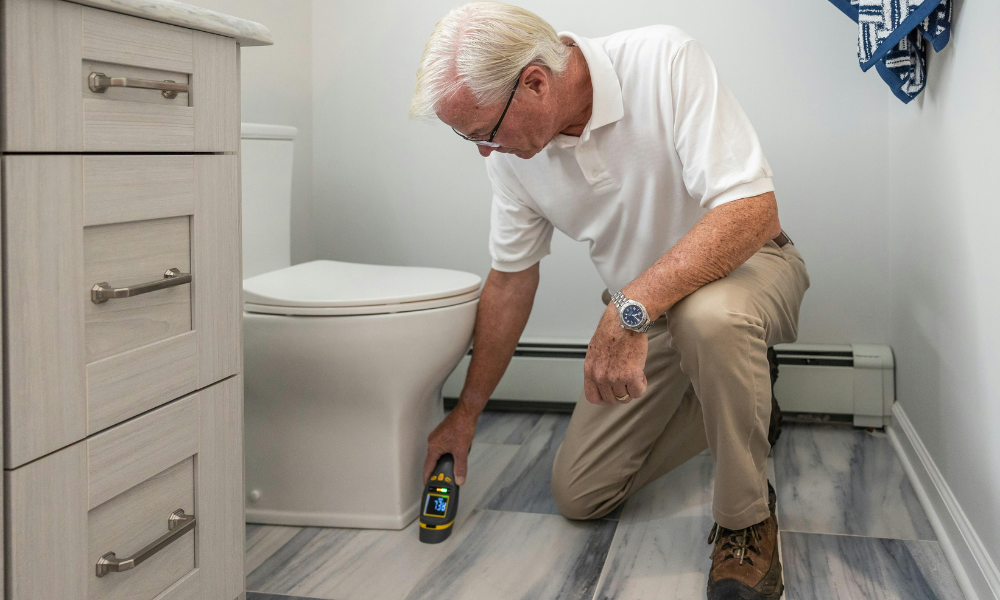
A home inspection in Helena, MT is a detailed visual evaluation of a property’s systems and structure before completing a purchase or sale. Expect the process to take 2–4 hours for most area homes, with the inspector thoroughly examining both exterior and interior features.
While an inspector does not determine a property’s value or guarantee that every issue will be found, the goal is to provide an unbiased overview of the home’s current condition. You can expect areas such as the roof, electrical, plumbing, heating, foundation, and insulation to be carefully assessed.
Which Areas Are Typically Inspected?
The inspector follows a standardized checklist designed to identify visible concerns and safety hazards. Most inspections in the community include:
- Roof surfaces, gutters, and chimneys (especially important in cold, snowy months)
- Foundation and crawlspaces (looking for signs of settling, moisture, or pest intrusion)
- Attics and insulation (critical given Montana’s winter temperatures)
- Heating systems, including boilers or furnaces (for readiness and safety)
- Electrical panels, outlets, switches, and visible wiring
- Plumbing fixtures, drains, and water heaters
- Built-in appliances and ventilation systems
- Windows, doors, walls, ceilings, and floors for signs of damage or excessive wear
- Decks, porches, garages, and exterior siding
Pools, septic systems, and outbuildings are not always included unless requested.
Can Buyers and Sellers Attend the Inspection?
Buyers are strongly encouraged to be present for part or all of the inspection. This allows residents to ask questions, observe findings firsthand, and learn more about a home’s upkeep needs—particularly useful in older neighborhoods or where climate factors might accelerate wear.
Sellers sometimes attend to provide context on repairs or improvements, but are usually not required.
What Information Will the Inspection Report Provide?
After the walkthrough, the inspector delivers a written report. This document outlines any observed defects, safety issues, or systems that may require attention soon. In Helena homes, reports often highlight:
- Winter weather impacts, such as ice damming, attic insulation gaps, or sump pump function
- Age and condition of heating systems, essential for regional cold snaps
- Drainage patterns and possible effects of spring snowmelt
- Signs of rodent or wildlife entry in attics and crawlspaces
The report is not a repair quote. Instead, it’s an informational tool to help buyers understand necessary and potential future repairs, and may occasionally outline issues relevant for lender requirements.
Common Misconceptions About Home Inspections
Many area residents believe an inspection guarantees a defect-free property. This isn’t the case. Inspectors do not dismantle walls or appliances, and only assess visible, accessible areas. Some problems—like hidden mold, minor plumbing leaks behind walls, or aging sewer lines—may be missed if there are no outward signs. Unrealistic expectations about “passing” or “failing” also persist. Homes are not graded with a score. Instead, inspectors document current conditions to support informed decision-making for buyers or sellers.
Are There Seasonal Considerations in This Region?
The timing of your inspection can affect what can be checked. For example, in the colder months, snow may cover the roof or outdoor grading, limiting visibility. Spring inspections might reveal more about drainage and moisture. If a feature cannot be inspected due to weather, the report should clearly state this. Local homes often have features adapted to variable climates: heat tape for gutters, enhanced insulation, and snow load-rated roofs. Inspectors typically focus on how well these components function and note any maintenance needs unique to the area’s conditions.
What Should Residents Look for in an Inspection Report?
Review the report for major safety hazards or expensive repairs first, such as electrical concerns, foundation cracks, or issues with heating systems. Deferred maintenance—like gutters full of debris, minor caulking gaps, or slow-draining sinks—are common but usually less urgent. Look for patterns in the findings that may signal a bigger underlying issue, like repeated moisture staining or signs of settlement. Reports often include photos, maintenance tips, and recommendations for further evaluation where an inspector cannot access or test a component fully.
Can Home Inspections Affect a Purchase or Sale?
While the inspection itself does not directly stop a transaction, findings may lead to new negotiations between buyers and sellers. For example:
- Buyers may request repairs for significant issues or ask for price adjustments
- Sellers can choose to address issues before listing to streamline the process
- Lenders may require certain safety hazards be remediated before funding
Understanding that most homes in the area have some age-appropriate wear is helpful. Major problems are less common, but even cosmetic issues can provide a useful roadmap for future maintenance.
What Documents Should Local Homeowners Prepare?
If selling, gather records of repairs, appliance manuals, permits for past improvements, and details about recent servicing (like the boiler or chimney cleaning). Local documentation helps the inspector verify upgrades, and gives buyers confidence in the property’s ongoing care.
If buying, have a list of any specific concerns based on your walkthroughs. Especially in older homes or those with unique features, highlighting areas to inspect more closely can ensure your questions are addressed.
About the Author
Anita Sherley, Jay Sherley, Cassi Krei
Jay and Anita Sherley are the heart and soul of Sherley Real Estate, deeply rooted in the Helena community and dedicated to helping individuals achieve their real estate dreams. With nearly 20 years of experience in the local market, they have built a reputation for professionalism, integrity, and exceptional client service. Anita’s extensive real estate knowledge and certifications, paired with Jay’s background in business and ranch property sales, make them a powerful team for any real estate transaction.
Beyond their real estate expertise, Jay and Anita are deeply committed to making a positive impact on the Helena community. In 2008, they founded Life Houses Inc., a non-profit organization dedicated to supporting at-risk youth in the area. Their passion for community service is evident in everything they do, from volunteering their time to supporting local causes.
Together, they’ve built more than just a business—they’ve cultivated lasting relationships with clients and a network of trusted professionals. Jay and Anita’s goal is simple: to make every real estate transaction a positive experience, providing guidance and care for each client they work with.
Outside of their professional endeavors, the Sherleys cherish family time, having raised their children and welcomed 12 grandchildren into their lives. Their love for the outdoors, community engagement, and shared moments with friends over a glass of wine exemplify their warm and welcoming spirit. With a focus on personalized service, market knowledge, and a genuine connection to their clients, the Sherley team embodies a truly unique and community-driven approach to real estate.
The Sherleys’ commitment extends beyond real estate, reflecting their values of hard work, communication, and fostering meaningful relationships. Their genuine care for clients has resulted in friendships that last beyond the closing of a deal. Anita’s many certifications, years of experience and continued education in real estate, along with Jay’s specialization in ranch and land sales, ensure that clients receive top-notch expertise in every aspect of their transactions. The couple’s involvement in various community initiatives, from founding a non-profit to supporting local organizations, showcases their dedication to making a positive impact beyond the realm of real estate.
Outside of their professional endeavors, the Sherleys cherish family time, having raised their children and welcomed 12 grandchildren into their lives. Their love for the outdoors, community engagement, and shared moments with friends over a glass of wine exemplify their warm and welcoming spirit. With a focus on personalized service, market knowledge, and a genuine connection to their clients, the Sherley team at Big Sky Brokers embodies a truly unique and community-driven approach to real estate.
Added FAQ
Helena Home Inspection Questions
How long does a Helena home inspection take?
The source gives a general estimate of two to four hours for most area homes. Actual timing depends on the property’s size, age, condition, accessibility, systems, and inspection scope.
Does a home inspection cover septic systems or outbuildings?
Not always. Scope varies by inspector and agreement. Confirm coverage in advance and arrange qualified specialty inspections when a property has additional systems or structures.
What if snow prevents part of the property from being inspected?
The report should identify inaccessible or unobserved areas. Depending on the contract and timing, the buyer may consider follow-up evaluation when conditions allow.
Can inspection findings require a seller to make repairs?
Not automatically. Repair requests, credits, price changes, termination rights, and lender-required work depend on the purchase agreement, inspection contingency, negotiations, financing, and applicable deadlines.
Categories
Recent Posts





GET MORE INFORMATION